





🖊️ Post
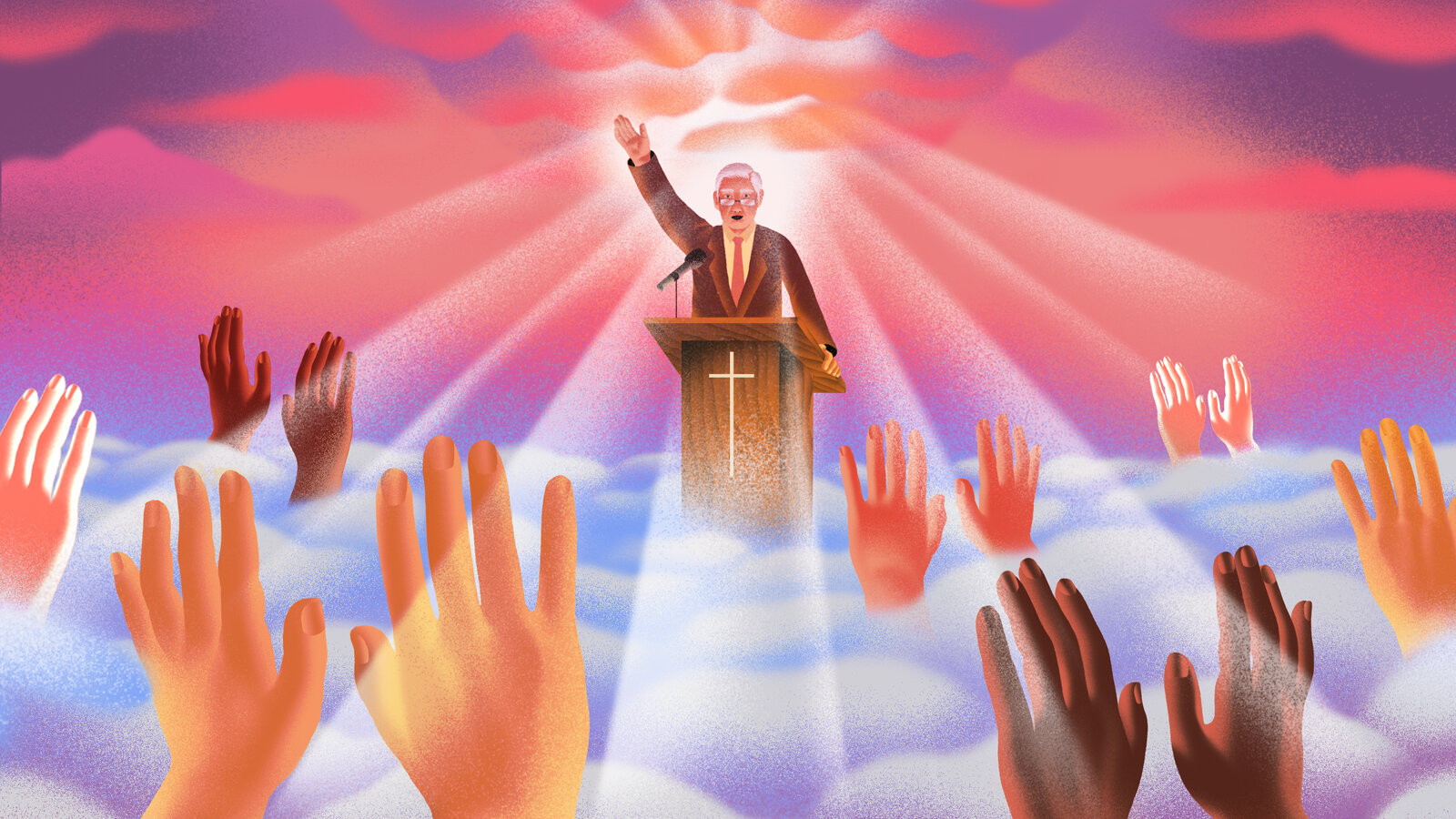
Prophecy has always been part of the Christian story. From Moses and Samuel to Isaiah, Jeremiah, and John on Patmos, God has spoken through human messengers. The New Testament does not end prophecy—it regulates it. Paul explicitly tells believers not to despise prophecy, but to test everything and hold fast to what is good (1 Thessalonians 5:20–21).
That tension—openness without gullibility—is where the modern church now struggles.
How Christians View Prophecy Today
Different Christian traditions approach prophecy very differently:
-
Cessationist traditions (many Reformed and mainline churches) believe prophetic gifts ceased with the apostles.
-
Continuationist traditions (charismatic and Pentecostal churches) believe prophecy continues but must be judged.
-
Popular prophetic media movements treat prophecy as ongoing revelation with national and global implications.
The debate is not whether prophecy exists—but how it functions, how it is tested, and what happens when it fails.
FlashPoint and Elijah Streams: What They Are
Two of the most influential platforms in the modern prophetic movement are FlashPoint and Elijah Streams.
-
FlashPoint, hosted by Gene Bailey and associated with Kenneth Copeland Ministries, blends prophecy, politics, and cultural commentary.
-
Elijah Streams, hosted by Steve Shultz, provides a platform for modern prophetic voices to speak directly to audiences, often in interview format.
I listened to both extensively. I didn’t come to them hostile. I came hungry, hopeful, and genuinely wanting discernment.
And at first, much of it sounded compelling.
The Problem of Vague Prophecy
Over time, a pattern becomes hard to ignore.
Many modern prophetic words are:
-
Broad enough to be reinterpreted later
-
Flexible enough to be reframed after events occur
-
Emotionally resonant but logically unfalsifiable
This is not unique to Christian prophecy. It mirrors how psychics, horoscopes, and even birthday cards work—statements vague enough that people fill in the meaning themselves.
When something seems right, it’s counted as fulfilled.
When it doesn’t happen, the interpretation is adjusted.
That should concern believers.
The 2020 Election and the Crisis of Credibility
The turning point for many—including me—was the 2020 U.S. presidential election.
Numerous prophetic voices on FlashPoint and Elijah Streams explicitly stated:
-
Donald Trump would win
-
He would win decisively
-
He would win in a landslide
-
God had guaranteed the outcome
Names frequently associated with these claims include Julie Green, Robin Bullock, and Kat Kerr, among others.
But Trump did not win the election.
Instead of public repentance or acknowledgment of error, a different narrative emerged:
Trump didn’t lose—there was massive fraud.
Here’s where the problem deepens.
When I asked a simple question—
Who prophesied beforehand that Trump would lose the election but remain president through fraud or court intervention?—
I didn’t get answers.
I got attacked.
Not debated. Attacked.
The issue is not whether fraud occurred. The issue is whether the specific prophetic claims matched reality.
They didn’t.
And redefining failure as victory after the fact is not biblical accountability.
Biblical Prophecy Was Testable
In Scripture:
-
Prophets were judged by whether what they said happened
-
Failed prophecy had consequences
-
Prophets did not get to endlessly reinterpret outcomes
Deuteronomy 18 doesn’t allow retroactive reframing.
New Testament prophecy is more gracious, but it is still accountable.
Mario Murillo Breaks Ranks
One of the most striking moments in this entire debate came when Mario Murillo, a longtime charismatic evangelist and friend to many in the movement, publicly stated that Julie Green, Robin Bullock, and Kat Kerr were false prophets.
This wasn’t a progressive critic.
This wasn’t a secular journalist.
This was an insider.
Murillo argued that refusing to admit error damages the credibility of the gospel itself.
The response was swift—and brutal.
He was targeted, attacked, and accused of betrayal.
Lance Wallnau Responds
Perhaps most revealing was the response from Lance Wallnau, one of the most influential figures connecting prophecy, politics, and the “Seven Mountains” worldview.
Instead of grappling seriously with the issue of failed prophecy, the response focused on loyalty, unity, and the danger of public criticism.
But unity without truth is not biblical unity.
And loyalty without accountability becomes a cult of personality.
Why This Matters Spiritually
The Bible warns more about false prophecy than almost anything else related to spiritual gifts.
Not because prophecy isn’t real—
but because it’s powerful.
When prophets are never wrong, never accountable, and never corrected, something has gone deeply wrong.
At that point:
-
Faith turns into faction
-
Discernment becomes disloyalty
-
Questioning becomes rebellion
That is not the Spirit of Christ.
Where I Land
I still believe God speaks.
I still believe prophecy exists.
I still believe the church needs spiritual discernment more than ever.
But I no longer believe:
-
Popularity equals accuracy
-
Confidence equals anointing
-
Platforms equal authority
And I don’t believe redefining failure as fraud preserves prophetic integrity.
If prophecy cannot be tested, corrected, or repented of, it stops being biblical prophecy and starts becoming something else entirely.
Something closer to political fortune-telling than the fear of the Lord.
Final Thought
The greatest prophets in Scripture were not those who were never wrong—but those who feared God enough to tell the truth, even when it cost them everything.
If modern prophecy cannot survive honest questioning, then it’s not prophecy that’s under attack—it’s credibility.
And that’s a problem the church can no longer afford to ignore.
Prophecy in the Modern Church: Platforms, Predictions, Accountability, and Discernment
Prophecy has always been part of the Christian faith. But what counts as prophecy? and how should the church respond when prophetic words publicly miss the mark? These questions have become urgent in recent years.
In the early church, prophecy was evaluated by community elders and the fruit it produced (1 Corinthians 14; 1 Thessalonians 5:20–21). Yet in the modern media age, prophetic voices often rise or fall based on platforms, personalities, and social influence.
This post examines how different Christians view prophecy today, looks at two major platforms (FlashPoint and Elijah Streams), and addresses a growing crisis of prophetic accountability—especially as it relates to the 2020 U.S. presidential election.
How Christians Traditionally View Prophecy
Across denominations, there are three broad perspectives:
-
Cessationism: prophetic gifts ceased with the apostles and the closing of the New Testament canon.
-
Contemporary continuationism: prophecy continues but must be tested by Scripture.
-
Charismatic prophetic culture: ongoing prophetic words and interpretations are normal and publicly shared without a formal discernment filter.
These differing views shape how believers respond when prophetic words are proclaimed and later appear to fail.
FlashPoint and Elijah Streams — Platforms of Modern Prophecy
Two of the most prominent modern prophetic platforms are:
📺 FlashPoint
Originally launched in 2020 on the Victory Channel, FlashPoint blends prophecy, politics, and cultural commentary. It features Christian nationalists and dominionist voices encouraging political engagement as spiritual destiny.
A report on the show notes that FlashPoint was launched during the 2020 election to boost support for former President Donald Trump, regularly featuring dominionist “prophets” who link divine mandate to electoral outcomes.
🔔 Elijah Streams
Hosted by Steve Shultz, Elijah Streams amplifies prophetic voices from charismatic and Pentecostal subcultures. It has become a megaphone for contemporary prophetic words with global audiences, often overlapping with Christian nationalist narratives.
Both platforms are influential not just because of what they say, but because they consistently frame political outcomes as spiritual destiny.
The 2020 Election and Prophetic Predictions
One of the most controversial aspects of recent prophecy has been predictions related to the 2020 U.S. presidential election.
Many popular prophetic voices—including figures regularly featured on FlashPoint and Elijah Streams—prophesied that Donald Trump would be reelected.
For example:
-
Lance Wallnau has publicly stated that he believed “God’s desire” was for Trump to remain in office and that Trump would return, seeing him as a “Cyrus-type” figure who restrains evil.
However, Trump lost the 2020 election.
Rather than issuing broad public repentance or admitting the prophecy did not materialize, many in these circles responded by asserting fraud and irregularities as the reason the word did not appear to come to pass. This shift has made accountability challenging.
Mario Murillo: Calling Out False Prophets
Evangelist Mario Murillo has been one of the most visible critics from within the charismatic sphere of certain popular prophetic ministries.
Murillo publicly warned that many self-described prophets—such as Robin Bullock, Kat Kerr, Julie Green, and Hank Kunneman—had made repeated predictions that did not come to pass, particularly around Trump’s reelection.
In a 2023 message, Murillo wrote:
“There is an entire network of evil nefarious false prophets deceiving the sheep… all their ear-tickling words come from the enemy deceiver… The 2020 Trump prophecies fell short…”
He argued that when a word attributed to God fails, Scripture commands accountability (Deuteronomy 18:18–22). But many prophetic voices instead responded with excuses like:
-
delaying fulfillment because believers were not faithful enough
-
avoiding addressing the failed prophecy directly
-
insisting that prophets can make mistakes (a position Murillo says essentially casts God as fallible)
Murillo’s critique is notable because it comes from inside the charismatic prophetic movement rather than from outside critics.
The Response from Prophetic Circles
Not everyone agreed with Murillo’s critique.
Some comment threads on Murillo’s ministry blog defended the popular prophets, arguing that criticizing prophetic voices equates to resisting God or that the critics lack faith. One commenter wrote that attacking prophets is itself a spiritual error and that prophetic ministry is essential and Spirit-led even when it feels uncomfortable.
This highlights a real challenge in modern Christian prophetic culture: questions are often treated as disloyalty rather than opportunities for discernment and correction.
A Word on Accountability
Scripture does not allow prophets to remain unaccountable. Deuteronomy 18 warns:
“…if what a prophet proclaims in the name of the LORD does not take place… that is a word the LORD has not spoken.”
— Deuteronomy 18:22
Jesus affirmed the reality of false prophets in the last days (Matthew 24:24). Paul commanded believers to test the spirits and hold fast to what is good (1 Thessalonians 5:20–21).
Accountability is not optional; it is biblical.
The Problem With Vague Prophecy
One of the patterns critics point to is vagueness.
Prophetic words that are broad, metaphorical, or emotionally resonant can be retrofitted into events after the fact—just as horoscopes, psychics, and positive bumper-sticker affirmations exploit vagueness to feel right in hindsight.
Without clear specificity, prophecy becomes:
-
Unfalsifiable
-
Too easy to reinterpret
-
Less accountable to Scripture
This is precisely why many believers have become skeptical—not of prophecy itself, but of prophetic culture without testing.
Why This Matters
Prophecy can be a gift that:
-
encourages believers
-
clarifies spiritual focus
-
calls for repentance
-
exhorts the church toward holiness
But when prophecy becomes:
-
political forecasting
-
unaccountable prediction
-
entertainment rather than edification
…it risks doing more harm than good.
The true test of prophetic ministry is not personality or platform, but:
-
alignment with Scripture
-
accuracy where specific claims are made
-
humility and repentance when words do not come to pass
-
a focus on Jesus and the gospel above all else
A Call for Discernment
If the early church judged prophecy (1 Corinthians 14), it wasn’t because they distrusted God—but because they valued truth and clarity over popularity and affirmation.
Testing prophecy does not mean rejecting God’s active voice.
It means taking the Bible seriously.
And when prophetic words miss:
-
we must acknowledge it
-
repent if needed
-
return to Scripture
-
prioritize Jesus over predictions
Because the danger is not prophecy itself—it’s a culture of prophecy that stops being accountable to God’s Word.
Introduction: A Term Everyone Uses, Few Define
Few phrases in modern spiritual warfare circles are as frequently used—and as poorly defined—as soul ties. The term appears in deliverance ministries, counseling sessions, and prayer manuals, yet it does not appear explicitly in Scripture. This has led to confusion, exaggeration, and at times fear-driven practices that go far beyond what the Bible actually teaches.
This article takes a sober, Scripture-first approach. We will examine what people mean by soul ties, what the Bible actually describes, where spiritual warfare genuinely applies, and where deliverance theology must be restrained by sound doctrine.
The goal is not to dismiss spiritual realities—but to separate biblical truth from speculative mythology.
What People Mean by “Soul Ties”
In contemporary usage, a soul tie is usually described as:
-
A spiritual bond formed through sexual intimacy
-
An emotional attachment that persists after a relationship ends
-
A lingering spiritual connection enabling demonic influence
-
A bond that must be “broken” through deliverance prayer
In many teachings, soul ties are blamed for:
-
Repeated sinful cycles
-
Emotional torment or obsession
-
Difficulty moving on relationally
-
Spiritual oppression or stagnation
The problem is not that attachment exists—the problem is how it is explained and treated.
Biblical Language: What Scripture Actually Says
While the term soul tie is absent from Scripture, the Bible does speak clearly about bonding, union, covenant, and attachment.
1. God-Ordained Soul Bonding
“The two shall become one flesh.” — Genesis 2:24
This passage describes more than physical union. It implies:
-
Emotional unity
-
Spiritual covenant
-
Relational exclusivity
Marriage is the only context in which Scripture celebrates this level of union as holy and protective.
David and Jonathan are also described using language of soul connection:
“The soul of Jonathan was knit to the soul of David.” — 1 Samuel 18:1
This was not sexual—but covenantal, loyal, and righteous.
Conclusion: Scripture affirms healthy soul bonding when aligned with God’s design.
When Bonding Becomes a Snare
The Bible warns repeatedly that misdirected attachment can become spiritually destructive.
“Do you not know that he who joins himself to a prostitute becomes one body with her?” — 1 Corinthians 6:16
Paul’s concern is not mystical cords—it is spiritual vulnerability created by sin.
Illicit sexual unions:
-
Violate covenant order
-
Create emotional dependency
-
Open doors to shame, guilt, and spiritual confusion
But Scripture does not teach that demons automatically inhabit these bonds or that believers are spiritually fused beyond repentance.
The Real Issue: Flesh, Memory, and Strongholds
Many experiences attributed to “soul ties” are better explained biblically as:
1. Fleshly Memory
The body remembers intimacy. Neurochemical bonding (oxytocin, dopamine) reinforces attachment. This is natural, not demonic.
2. Emotional Strongholds
“We take every thought captive to obey Christ.” — 2 Corinthians 10:5
Strongholds form through:
-
Trauma
-
Repetition
-
Shame
-
Unhealed grief
These are renewed through thought patterns, not spiritual cords.
3. Unrepented Sin
Sin unresolved maintains spiritual unrest. Repentance restores peace.
Where Demonic Influence May Occur
Spiritual warfare becomes relevant not because of attachment, but because of agreement.
“Do not give the devil a foothold.” — Ephesians 4:27
Demonic influence may arise when:
-
Sexual sin is ritualized
-
Trauma is exploited
-
Shame is internalized
-
Identity is fractured
The enemy operates through lies believed, not invisible soul strings.
Deliverance: What Actually Brings Freedom
Biblical deliverance is never theatrical. It is:
-
Repentance
-
Renunciation of sin
-
Forgiveness
-
Renewing the mind
-
Walking in obedience
“If the Son sets you free, you will be free indeed.” — John 8:36
Scripture does not command believers to hunt soul ties—but to:
-
Crucify the flesh
-
Put off the old self
-
Put on Christ
Deliverance is a process of alignment, not a one-time ritual.
Common Errors in Soul-Tie Deliverance Teaching
-
Treating emotional pain as demonic possession
-
Requiring repeated ‘breaking’ ceremonies
-
Creating fear of permanent contamination
-
Undermining the sufficiency of repentance
-
Elevating technique over transformation
These practices often enslave rather than liberate.
What Scripture Emphasizes Instead
-
Sanctification over sensationalism
-
Discipline over drama
-
Truth over technique
-
Christ’s authority over ritualized deliverance
“You were bought with a price.” — 1 Corinthians 6:20
Believers do not need spiritual surgery—they need identity clarity.
Conclusion: Freedom Is Not Fragile
The Bible presents freedom as robust, secure, and maintained by truth.
While unhealthy attachments are real and painful, they are healed through:
-
Repentance
-
Healing
-
Renewed identity
-
Obedient living
Soul ties, as popularly taught, often exaggerate spiritual mechanics while neglecting the power of sanctification.
True deliverance is not about breaking invisible bonds—it is about walking in the finished work of Christ.
“Stand firm, therefore, and do not submit again to a yoke of slavery.” — Galatians 5:1
This article is part of an ongoing theological series examining spiritual warfare, deliverance, and biblical authority with clarity, restraint, and fidelity to Scripture.
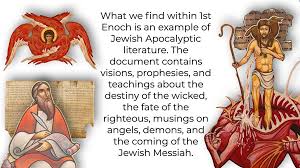
Few ancient writings generate as much fascination, confusion, and controversy as the Book of Enoch.
It is quoted in the New Testament.
It shaped Jewish and early Christian thought.
It was preserved for centuries outside the Western biblical canon.
And today, it sits at the center of debates about angels, demons, Nephilim, spiritual warfare, and even modern supernatural narratives.
But what is the Book of Enoch really—and what should Christians do with it?
What the Book of Enoch Is (and Is Not)
The Book of Enoch (often called 1 Enoch) is an ancient Jewish apocalyptic text composed between roughly 300 BC and AD 100. It is attributed to Enoch, the great-grandfather of Noah, the man Scripture says:
“Enoch walked with God; then he was no more, because God took him.”
— Genesis 5:24
That mysterious biblical statement fueled generations of speculation—and Enoch expands on it dramatically.
Important clarity:
-
1 Enoch is not part of the Hebrew Bible
-
It is not included in most Christian canons
-
It is considered canonical only in the Ethiopian Orthodox Church
-
It is not Scripture in the same sense as Genesis or the Gospels
But non-canonical does not mean irrelevant.
Why Enoch Still Matters Biblically
The New Testament itself references Enoch explicitly:
“Enoch, the seventh from Adam, prophesied…”
— Jude 1:14
Jude then quotes language found only in 1 Enoch.
This tells us something critical:
Early Jewish and Christian audiences were familiar with Enoch, even if they did not treat it as Scripture.
Think of it like this:
Enoch functioned as theological background material, not doctrine.
The Watchers and Genesis 6
The most famous—and controversial—section of Enoch expands on Genesis 6:1–4, where “the sons of God” take human wives and produce the Nephilim.
Genesis is brief.
Enoch is not.
In Enoch:
-
These beings are called Watchers
-
They descend to Earth in rebellion
-
They teach forbidden knowledge (weapons, sorcery, astrology)
-
Their offspring become violent giants
-
Their actions corrupt humanity
-
Judgment follows
This interpretation was not fringe in antiquity.
Many Second Temple Jews—and some early Christians—read Genesis 6 this way.
Demons in Enoch: Disembodied Spirits
One of Enoch’s most influential ideas is its explanation for demons.
According to Enoch:
-
The Nephilim are destroyed
-
Their spirits remain
-
These spirits roam the earth
-
They seek influence, oppression, and deception
This concept later appears—stripped of Enoch’s narrative detail—in the New Testament worldview.
Jesus casts out demons.
Paul speaks of spiritual powers.
The Gospels assume invisible hostile forces.
Enoch did not invent that worldview—it articulated one already present.
Why the Early Church Didn’t Canonize Enoch
This matters.
The early Church rejected Enoch for several reasons:
-
Pseudonymous authorship
-
Speculative cosmology
-
Excessive angelology
-
Doctrinal ambiguity
In other words:
Enoch explains too much.
Scripture, by contrast, often limits detail intentionally.
That restraint is part of biblical wisdom.
Where Modern Readers Go Wrong
The danger today is not reading Enoch—it’s reading Enoch as Scripture.
Some modern movements:
-
Treat Enoch as secret revelation
-
Build entire doctrines on it
-
Use it to justify speculative cosmology
-
Blend it with conspiracy theories
-
Override clear biblical teaching
That reverses the proper order.
Enoch can illuminate Scripture.
It must never replace it.
Enoch, Spiritual Warfare, and Discernment
Used properly, Enoch helps explain why:
-
The Bible assumes hostile spiritual forces
-
Knowledge can be corruptive
-
Power divorced from obedience leads to destruction
-
God limits revelation for human good
Used improperly, it fuels:
-
Fear-based theology
-
Obsession with demons
-
Endless speculation
-
Distrust of Scripture’s sufficiency
Paul’s warning applies here:
“Do not go beyond what is written.”
— 1 Corinthians 4:6
Aliens, Nephilim, and Modern Mythmaking
Many modern readers try to retrofit Enoch into:
-
UFO narratives
-
Alien mythology
-
Ancient astronaut theories
But this misunderstands both Enoch and Scripture.
Enoch’s worldview is theological, not technological.
Its concern is obedience and rebellion, not spaceships.
The danger isn’t that Enoch supports modern myths—
it’s that modern myths imitate ancient spiritual deception.
What Enoch Ultimately Points To
Despite all its strangeness, Enoch has a surprisingly consistent moral arc:
-
Rebellion leads to judgment
-
Forbidden knowledge corrupts
-
God restrains evil
-
Righteousness matters
-
Judgment is real
Those themes align with Scripture—not replace it.
A Proper Christian Posture Toward Enoch
A mature approach looks like this:
-
Respect it as ancient Jewish literature
-
Learn from its historical context
-
Let it clarify—not dominate—biblical passages
-
Reject speculative excess
-
Anchor doctrine in canonical Scripture
In short:
Enoch can inform your understanding—but Christ must remain your authority.
Final Reflection
The fascination with Enoch reveals something about us.
We want hidden knowledge.
We want cosmic explanations.
We want certainty about unseen powers.
But Scripture reminds us:
“The secret things belong to the Lord our God, but the things revealed belong to us.”
— Deuteronomy 29:29
The Book of Enoch reminds us what happens when curiosity outruns obedience.
And that may be its greatest value of all.
Beyond the First Book: 2 Enoch, 3 Enoch, and the Expansion of Heavenly Speculation
If 1 Enoch explores the fall of heavenly beings and the corruption of the earth, then 2 Enoch and 3 Enoch move in a different—but related—direction.
They are not primarily about rebellion.
They are about ascent, hierarchy, transformation, and heavenly order.
Together, they show how later Jewish thought continued to wrestle with questions Scripture leaves intentionally restrained:
-
What is heaven like?
-
How is authority structured in the unseen realm?
-
What happens to a righteous man taken into God’s presence?
-
How close can a human come to divine glory without becoming divine?
These questions are ancient—and dangerous—if handled without humility.
2 Enoch (Slavonic Enoch): The Journey Through the Heavens
What 2 Enoch Is
2 Enoch, often called Slavonic Enoch, likely dates to the 1st century AD, though the surviving manuscripts are medieval and preserved in Old Church Slavonic.
Unlike 1 Enoch, which focuses on cosmic rebellion, 2 Enoch centers on Enoch’s heavenly ascent.
Here, Enoch:
-
Is taken alive into heaven
-
Travels through multiple heavenly levels
-
Encounters angels, cosmic order, and divine mysteries
-
Receives revelation about creation, time, and judgment
-
Is transformed before returning briefly to earth
Thematic Focus: Order, Not Chaos
2 Enoch is far less interested in fallen angels and far more concerned with cosmic structure.
It emphasizes:
-
God’s absolute sovereignty
-
Angelic obedience
-
Fixed boundaries between heaven and earth
-
The danger of unauthorized knowledge
This is important.
While 1 Enoch shows what happens when angels cross boundaries, 2 Enoch reinforces that boundaries matter.
The Transformation of Enoch
One of the most striking elements of 2 Enoch is Enoch’s transformation:
-
His body is altered
-
His garments change
-
His face shines
-
He is instructed directly by angels
This echoes later biblical moments:
-
Moses’ shining face (Exodus 34)
-
Isaiah’s throne-room vision
-
Paul’s language of transformation
But 2 Enoch presses further—sometimes uncomfortably so—by detailing the process.
This is where discernment is required.
Why 2 Enoch Was Not Canonized
The early Church rejected 2 Enoch for familiar reasons:
-
Over-elaboration
-
Mystical cosmology
-
Speculative detail
-
Lack of apostolic grounding
Scripture gives us glimpses.
2 Enoch gives us tours.
And Scripture consistently warns that not all knowledge is meant for public use.
“He heard inexpressible things, things that no one is permitted to tell.”
— 2 Corinthians 12:4
Paul experienced heaven—and refused to describe it.
That silence matters.
3 Enoch: When Angelology Becomes Hierarchy
What 3 Enoch Is
3 Enoch (also called Sefer Hekhalot) is much later—likely 5th–6th century AD—and reflects early Jewish mystical traditions, particularly Merkabah mysticism.
This text moves decisively away from biblical narrative and into mystical system-building.
Its most famous—and controversial—claim is that Enoch becomes Metatron, a supreme angelic figure.
Metatron and the Problem of Exaltation
In 3 Enoch:
-
Enoch is transformed into Metatron
-
He is given authority
-
He sits near the divine throne
-
He governs angelic orders
This is where Christian theology draws a firm line.
Scripture allows:
-
Exaltation by God
-
Honor for obedience
-
Authority under Christ
Scripture does not allow:
-
Deification of humans
-
Near-equal status with God
-
Angelic mediation replacing Christ
This is why 3 Enoch was never considered compatible with Christian doctrine.
Why These Texts Still Matter
Despite their problems, 2 and 3 Enoch are valuable as warnings.
They show how quickly fascination with the unseen can:
-
Shift from obedience to curiosity
-
Turn reverence into hierarchy obsession
-
Replace covenant with technique
-
Blur the Creator–creature distinction
This is not merely ancient history.
These same patterns appear today in:
-
Mysticism divorced from Scripture
-
Angel-focused spirituality
-
Obsession with ranks, realms, and keys
-
Claims of special access or elevation
The Bible consistently resists this drift.
Spiritual Warfare Without Speculation
One of the great ironies is that Scripture teaches spiritual warfare clearly—without indulging in elaborate cosmology.
Paul tells us:
-
The enemy exists
-
Authority is real
-
Christ is supreme
-
The believer stands firm through truth, righteousness, and faith
He does not give maps of heaven.
“For we walk by faith, not by sight.”
— 2 Corinthians 5:7
2 and 3 Enoch remind us what happens when sight becomes the obsession.
A Balanced Christian Reading
A wise posture toward 2 and 3 Enoch looks like this:
-
Read them as historical theology, not revelation
-
Recognize their influence on later mysticism
-
Learn where boundaries were crossed
-
Let Scripture remain the measuring rod
-
Keep Christ—not angels—at the center
The New Testament is deliberately restrained because restraint protects worship.
Final Reflection
If 1 Enoch warns us about rebellion,
2 Enoch warns us about curiosity,
and 3 Enoch warns us about exaltation.
All three ultimately point to the same truth:
The unseen realm is real—but it is not ours to control, map, or master.
The gospel does not call believers to secret knowledge.
It calls us to faithfulness.
And that, Scripture insists, is enough.
1 Enoch and the Book of Revelation: Similar Imagery, Very Different Authority
At first glance, the Book of Enoch and the Book of Revelation can feel uncannily similar.
Both describe:
-
Heavenly visions
-
Angels and judgment
-
Cosmic conflict
-
Thrones, fire, and glory
-
The downfall of evil powers
Because of this overlap, many readers assume the two books are doing the same thing—or worse, that Revelation depends on Enoch.
It doesn’t.
Understanding why they sound similar but function differently is essential for spiritual discernment.
Shared Worldview: Second Temple Jewish Apocalyptic Language
Both 1 Enoch and Revelation emerge from what scholars call apocalyptic literature—a genre common in Jewish thought between 300 BC and AD 100.
This genre uses:
-
Symbolism instead of plain description
-
Visions instead of narratives
-
Cosmic imagery to describe earthly and spiritual realities
That shared language explains overlap without implying equal authority.
Jesus, Paul, and John all spoke into a culture already familiar with this imagery.
Where 1 Enoch and Revelation Appear Similar
1. Heavenly Courts and Thrones
1 Enoch describes God seated in glory, surrounded by angelic beings.
Revelation shows a throne room with elders, living creatures, and worship.
But here’s the difference:
-
In Enoch, angels dominate the scene
-
In Revelation, the Lamb is central
“Worthy is the Lamb who was slain.” (Revelation 5:12)
Christ—not angels—anchors the vision.
2. Judgment of Evil Powers
Both books describe judgment on rebellious beings.
-
1 Enoch focuses heavily on fallen angels (Watchers)
-
Revelation focuses on Satan, the Beast, Babylon, and human systems aligned with evil
Enoch looks backward to pre-Flood rebellion.
Revelation looks forward to final restoration.
3. Cosmic Warfare
Both depict the universe as morally contested.
But Revelation is explicit about Christ’s victory, while Enoch is more descriptive than redemptive.
“Now have come the salvation and the power and the kingdom of our God.”
— Revelation 12:10
Enoch diagnoses the problem.
Revelation declares the cure.
The Most Important Difference: Authority and Revelation
1 Enoch Explains — Revelation Reveals
1 Enoch:
-
Expands on Genesis 6
-
Speculates about angelic hierarchies
-
Fills in narrative gaps Scripture leaves open
Revelation:
-
Was given directly “by Jesus Christ” (Revelation 1:1)
-
Was written by an apostolic witness
-
Was recognized early as inspired Scripture
-
Centers entirely on Christ’s lordship
Enoch answers curiosity.
Revelation calls for repentance, endurance, and worship.
The Role of Angels: Assistants vs. Focus
This distinction cannot be overstated.
In 1 Enoch:
-
Angels teach
-
Angels explain
-
Angels dominate the narrative
In Revelation:
-
Angels serve
-
Angels deliver messages
-
Angels explicitly refuse worship
“Do not do that! I am a fellow servant.”
— Revelation 19:10
Revelation actively guards against angel-centered spirituality.
Speculation vs. Restraint
1 Enoch is expansive.
Revelation is controlled.
John is shown astonishing things—but is also told:
“Seal up what the seven thunders have said and do not write it down.”
— Revelation 10:4
That restraint is theological, not accidental.
Revelation reveals only what the Church needs to remain faithful under pressure.
Why Revelation Was Canonized and Enoch Was Not
The early Church recognized clear differences:
| Criteria | 1 Enoch | Revelation |
|---|---|---|
| Apostolic authority | ❌ | ✅ |
| Christ-centered | Partial | Absolute |
| Doctrinal clarity | Mixed | Consistent |
| Speculation level | High | Restrained |
| Use in worship | Rare | Widespread |
Revelation survived intense scrutiny because it aligned with:
-
The gospel
-
Apostolic teaching
-
The rule of faith
-
The lived experience of the early Church
Enoch did not.
When Modern Readers Confuse the Two
Problems arise when:
-
Enoch is treated as secret revelation
-
Revelation is read through Enoch instead of Scripture
-
Speculation replaces obedience
-
Fear replaces hope
Ironically, Revelation warns against this exact impulse.
“Blessed is the one who keeps the words of this prophecy.”
— Revelation 22:7
Not the one who decodes every symbol—but the one who remains faithful.
Theological Bottom Line
1 Enoch helps us understand how ancient Jews thought about the unseen world.
Revelation tells us who rules it.
Enoch asks: What went wrong?
Revelation answers: Who makes it right?
And the answer is always the same:
“The kingdom of the world has become the kingdom of our Lord and of His Christ.”
— Revelation 11:15
Final Reflection
If 1 Enoch expands the imagination,
Revelation anchors the soul.
If Enoch fuels curiosity,
Revelation demands allegiance.
If Enoch explores the shadows,
Revelation reveals the Light.
And Scripture leaves no ambiguity about which one the Church is meant to follow.
The idea of generational curses is one of the most misunderstood—and emotionally charged—topics in Christian theology. For some, it explains patterns of addiction, abuse, poverty, sickness, or repeated relational breakdown. For others, it sounds superstitious, fear-driven, or even anti-gospel.
So what does the Bible actually teach?
Are generational curses real? Do demons play a role? How do spiritual warfare and deliverance fit in? And most importantly—what authority does a believer have in Christ?
This post aims to be biblical, sober, and grounded—neither dismissing the spiritual realm nor exaggerating it.
What the Bible Means by “Generational” Consequences
Scripture does speak about sin affecting generations—but it does so carefully.
“I, the LORD your God, am a jealous God, visiting the iniquity of the fathers on the children to the third and fourth generation of those who hate Me.” — Exodus 20:5
This verse is often quoted to support the idea of generational curses. But it is rarely quoted with its balance.
Just a few chapters later, Scripture says:
“Parents shall not be put to death for their children, nor children put to death for their parents; each is to die for their own sin.” — Deuteronomy 24:16
And later still:
“The soul who sins shall die. The son shall not bear the guilt of the father.” — Ezekiel 18:20
So what’s happening?
The Bible distinguishes between:
-
Inherited guilt (which Scripture rejects)
-
Inherited consequences and patterns (which Scripture acknowledges)
Sin has momentum. Choices create environments. Trauma replicates behavior. Spiritual openness invites influence.
That’s not mysticism—it’s realism.
Patterns, Permission, and Spiritual Access
In Scripture, demons do not rule arbitrarily. They operate through permission, deception, and agreement.
Jesus repeatedly ties freedom to truth:
“You will know the truth, and the truth will set you free.” — John 8:32
Generational bondage often works the same way.
Not because a child is guilty of a parent’s sin—but because:
-
The sin normalized behavior
-
The environment shaped belief
-
Trauma trained the nervous system
-
Lies were internalized early
Deliverance ministers often describe this as generational access points, not automatic curses.
Demonic Oppression vs. Personal Responsibility
The New Testament never excuses sin by blaming demons—but it also never denies demonic influence.
“Give no foothold to the devil.” — Ephesians 4:27
A foothold implies:
-
An opening
-
A place of influence
-
Something granted, not imposed
Generational patterns can create those footholds long before a person understands what’s happening.
This is why Jesus healed and delivered people without first assigning blame.
Compassion precedes correction.
Deliverance in the New Testament Is Not Exotic
Deliverance is not presented as fringe or dramatic in the Gospels—it is normal ministry.
Jesus:
-
Cast out spirits
-
Healed bodies
-
Forgave sins
-
Restored identity
Often in the same encounter.
“The Spirit of the Lord is upon Me… to proclaim freedom for the captives.” — Luke 4:18
Notice the language: captives.
Captivity implies bondage—not possession, not ownership—but restraint.
Renunciation: The Missing Step
One of the most consistent elements in effective deliverance ministry is renunciation.
Renunciation means:
-
Rejecting lies
-
Breaking agreement with sin
-
Forgiving those who harmed you
-
Declaring Christ’s authority
This is not magic language. It is alignment.
“Submit yourselves to God. Resist the devil, and he will flee from you.” — James 4:7
Submission comes before resistance.
What Christ Actually Breaks
The New Testament is clear:
“Christ redeemed us from the curse of the law by becoming a curse for us.” — Galatians 3:13
This does not mean:
-
Consequences vanish instantly
-
Habits disappear overnight
-
Healing is automatic
It means authority has changed.
Deliverance is not about earning freedom. It is about enforcing what Christ already won.
Spiritual Warfare Without Fear
Biblical spiritual warfare is not paranoia.
It is:
-
Truth replacing lies
-
Light exposing darkness
-
Obedience closing doors
-
Christ reigning supreme
Paul’s instructions are defensive, not frantic:
“Stand firm.” — Ephesians 6:13
You don’t chase curses. You stand in Christ.
A Balanced Conclusion
Generational bondage is real—but it is not ultimate.
Demons influence—but they do not own believers.
Patterns can persist—but they can be broken.
Deliverance is not about obsessing over darkness. It is about restoring inheritance.
“If the Son sets you free, you will be free indeed.” — John 8:36
That freedom is not theoretical. It is lived.
And it begins not with fear—but with truth.
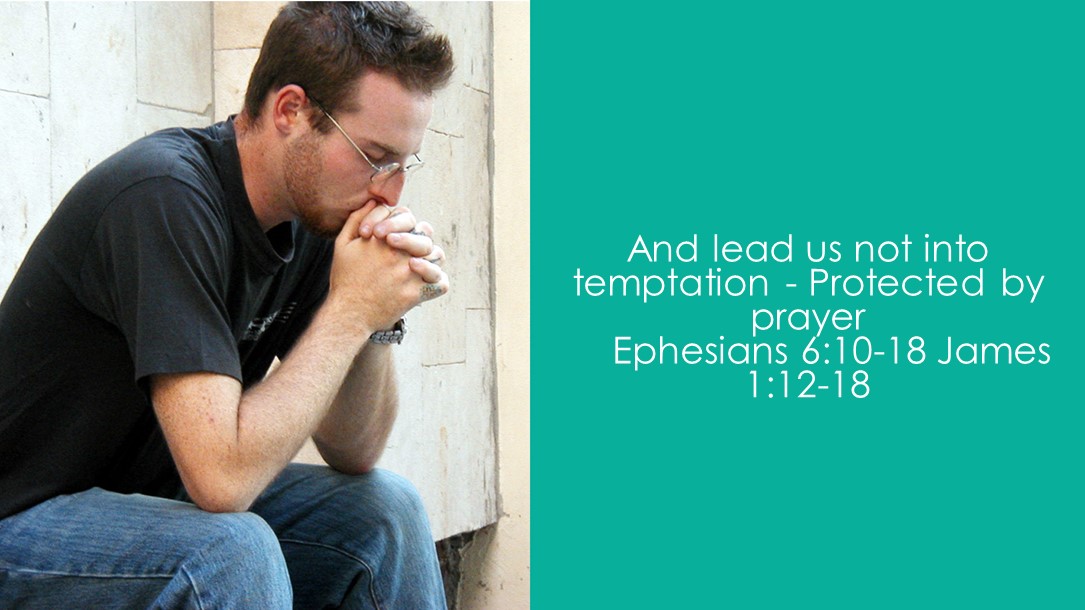
Principalities, Powers, Governments, and the War We Pretend Isn’t Happening
Modern Christianity loves to shrink spiritual warfare down to private struggles: anxiety, lust, addiction, bad habits. Important? Yes. Complete? Not even close.
Paul didn’t write Ephesians 6 to suburban believers worrying about personal inconvenience. He wrote it to a persecuted Church living under an empire.
“For we wrestle not against flesh and blood, but against principalities, against powers, against the rulers of the darkness of this world, against spiritual wickedness in high places.”
— Ephesians 6:12
Paul’s language is not metaphorical fluff. These are terms of governance.
Principalities and Powers Are Not Abstract
The Greek words Paul uses—archai (rulers) and exousiai (authorities)—are the same words used elsewhere in Scripture to describe governing structures, dominions, and systems of control.
Paul is saying something radical:
Behind earthly systems of power operate unseen spiritual forces.
That doesn’t mean every politician is “possessed.” It means systems themselves can be influenced, shaped, and steered by spiritual realities—good or evil.
This is not fringe theology. It’s biblical.
The Prophets Were Constantly Political
Anyone claiming “God doesn’t get involved in politics” hasn’t read the Bible.
-
Elijah confronted King Ahab directly—over policy, land theft, and injustice.
-
Nathan rebuked King David publicly.
-
Isaiah, Jeremiah, Amos, Micah all called out governments, courts, and rulers.
-
John the Baptist lost his head for condemning Herod’s sexual immorality.
Biblical prophets didn’t run from power—they exposed it.
Jesus Himself was executed not because He healed people, but because He challenged authority and claimed kingship.
“We have no king but Caesar,” they declared.
— John 19:15
That was not just a theological statement. It was political allegiance.
Spiritual Warfare and Systems of Control
When Paul talks about “rulers of the darkness of this world,” he’s not describing individual demons whispering bad thoughts. He’s describing organized influence—darkness with structure.
This is where many Christians get uncomfortable.
Because once you admit spiritual forces influence systems, you have to ask hard questions:
-
Why are certain forms of corruption repeated across nations?
-
Why do abuse networks often involve power, wealth, secrecy, and silence?
-
Why do ideologies hostile to biblical morality consistently rise through institutions?
You don’t need to believe every conspiracy theory to admit patterns exist.
When Scandals Pull Back the Curtain
Over the last decade, the public has witnessed undeniable exposure of elite abuse networks—not rumors, but documented cases.
-
Jeffrey Epstein was convicted of sex crimes involving minors and maintained relationships with powerful figures.
-
Allison Mack was convicted for her role in NXIVM, a coercive cult operating under self-help branding.
-
R. Kelly was convicted of systemic sexual abuse.
-
Sean “Diddy” Combs has faced serious allegations (which, at the time of writing, remain allegations).
Here’s the point—not that these individuals represent a single hidden cabal, but that power + secrecy + exploitation is not rare. It is recurring.
Scripture tells us it would be.
“For nothing is hidden that will not be made manifest.”
— Luke 8:17
When darkness is exposed, people rush to say, “See? There’s no conspiracy—just bad individuals.”
But Scripture says something deeper:
Systems can be corrupt.
Cultures can normalize evil.
Power can protect sin.
That doesn’t require horns and robes. It requires silence and complicity.
The “New World Order” Language—What People Really Mean
When people talk about a “New World Order,” they are often dismissed as unserious. But historically, the phrase simply means centralized power, global governance, and enforced ideology.
The Bible does not shy away from this concept.
-
Babel was a unified system resisting God.
-
Babylon in Revelation symbolizes an economic, political, and spiritual empire opposed to God.
-
Revelation warns of a future system that controls buying, selling, and allegiance.
You don’t have to assign every headline to prophecy to recognize the trajectory Scripture describes.
Luciferianism: Theology, Not Tabloids
“Luciferian” doesn’t necessarily mean overt devil worship.
Biblically, Lucifer represents:
-
Pride
-
Self-exaltation
-
Autonomy from God
-
Moral inversion (calling evil good)
Isaiah 14 describes a system mindset:
“I will ascend… I will exalt my throne… I will be like the Most High.”
That spirit shows up wherever power rejects accountability to God.
A culture doesn’t need pentagrams to operate under that influence. It just needs self as god.
Why Christians Were Pushed Out of the Public Square
If spiritual warfare includes systems, then removing Christianity from public influence makes sense—from a strategic standpoint.
-
Silence biblical morality
-
Redefine truth as subjective
-
Reduce faith to private feelings
-
Label dissent as “hate” or “dangerous”
This isn’t paranoia. It’s observable secularization.
And it aligns perfectly with Paul’s warning: darkness prefers not to be challenged.
The Armor of God Is Not Passive
Ephesians 6 doesn’t end with fear. It ends with readiness.
Armor is not for retreat.
Armor is for standing.
Truth. Righteousness. Faith. The Word of God.
Not violence. Not domination. Discernment and courage.
Final Thought
You don’t need to believe every theory to recognize this truth:
Spiritual warfare is not only personal.
It is cultural.
It is systemic.
And it is unavoidable.
The prophets understood it.
The apostles preached it.
Jesus confronted it.
The only question is not whether it exists—but whether the Church will continue pretending it doesn’t.
When the Supernatural Is Rebranded: Aliens, UFOs, and the Old Deception in New Language
One of the strangest features of the modern spiritual landscape is that as Western culture rejected Christianity, it did not become secular—it became re-enchanted.
But the enchantment changed its name.
Angels became aliens.
Demons became interdimensional beings.
Visions became abductions.
Possession became channeling.
Spiritual revelation became cosmic disclosure.
The Bible warned this would happen.
“For even Satan disguises himself as an angel of light.”
— 2 Corinthians 11:14
The UFO Phenomenon and Spiritual Substitution
Across decades of research, one consistent pattern appears in UFO and alien-contact narratives:
they rarely point people toward God, repentance, or Christ.
Instead, they emphasize:
-
Hidden knowledge
-
Human evolution
-
Moral relativism
-
A coming global transformation
-
The obsolescence of Christianity
That alone should raise alarms for biblically literate believers.
Bill Cooper and Behold a Pale Horse
Milton William “Bill” Cooper—most famous for Behold a Pale Horse—was not a theologian, but he was one of the earliest public figures to argue that the UFO phenomenon functioned as psychological and spiritual manipulation, not extraterrestrial salvation.
Cooper repeatedly warned that the alien narrative would be used as a unifying myth—a way to replace traditional religion and prepare the public for centralized authority.
One of his most cited claims (summarized, not asserted as fact) was that:
the alien threat narrative could be used to dissolve national sovereignty and justify global governance.
Whether one accepts Cooper’s conclusions or not, his central insight is notable:
belief in aliens often replaces belief in God, not complements it.
Cult Dynamics and “Cosmic” Spirituality
Sociologists and theologians alike have observed that UFO belief systems frequently overlap with cult structures:
-
Charismatic leaders claiming special revelation
-
Secret knowledge withheld from outsiders
-
Sexual exploitation framed as “spiritual”
-
Loss of personal identity
-
Obedience justified as cosmic necessity
This is not speculation. It has been documented repeatedly in groups ranging from Heaven’s Gate to NXIVM-style belief systems that blended mysticism, elitism, and abuse.
The Bible warned about this exact dynamic:
“In later times some will abandon the faith and follow deceiving spirits and teachings of demons.”
— 1 Timothy 4:1
Nephilim, Demons, and the Spirits Behind the Narrative
Within Christian theology, especially among early Church fathers and many modern deliverance teachers, demons are understood not merely as abstract evil—but as disembodied spirits connected to pre-Flood rebellion (Genesis 6).
This view—held by figures ranging from Justin Martyr to Michael Heiser—argues that:
-
The Nephilim were hybrid beings
-
Their spirits remained after judgment
-
These spirits seek embodiment, influence, and worship
Whether one accepts this framework fully or partially, it explains why:
-
Demons seek physical expression
-
They crave authority, influence, and ritual
-
They distort identity and truth
Paul describes this hunger clearly:
“The sacrifices of pagans are offered to demons, not to God.”
— 1 Corinthians 10:20
Power, Ritual, and the Corruption of Desire
Scripture is explicit that spiritual power can be sought through illicit means—and that such power always corrupts.
Throughout the Old Testament, God condemns:
-
Child sacrifice
-
Sexual ritual
-
Blood rites
-
Divination
Not because they were imaginary—but because they were real and spiritually dangerous.
“They sacrificed their sons and daughters to demons.”
— Psalm 106:37
Across cultures, illicit power has often been linked—symbolically or literally—to:
-
Sexual domination
-
Degradation of innocence
-
Ritualized transgression
The New Testament frames this not as superstition, but as spiritual allegiance.
Why the “Alien” Narrative Fits the Age
Aliens require no repentance.
No Savior.
No moral authority.
They offer:
-
Knowledge without accountability
-
Power without holiness
-
Unity without truth
That makes them a perfect substitute religion for a culture that wants the supernatural without God.
The Biblical Warning Remains the Same
Paul never tells believers to fear these forces—but to recognize them.
“Test the spirits to see whether they are from God.”
— 1 John 4:1
Christian discernment does not require believing every theory.
But it does require refusing to be naïve.
Final Word
You do not have to accept every claim made by researchers like Bill Cooper to recognize this reality:
When humanity rejects God, it does not stop believing—it simply believes something else.
The Bible calls those substitutions deception.
And history shows they are rarely harmless.
- Spiritual Warfare, Angels, Demons, and Deliverance: What the Bible Actually Teaches — and Why the Church Can’t Ignore It
- You Can Like Trump Without Liking Everything He Says or Does
- Part 3: Faithful Presence — What Christian Engagement Actually Looks Like
- Part 2: Power, Culture, and the Cost of Silence
Search
Subscribe
Donate



Your Statistics
For the care and safety of this prayer space, we gently record the time and location of each visit. This helps us protect sincerity while preserving anonymity.
Your Date and Time
IP Addres:
216.73.216.155
System
- OS Linux n
- PHP 8.4.17
- MySQLi 10.6.25-MariaDB-log
- Time 01:02
- Caching Disabled
- Gzip Disabled
- Users 4
- Articles 37
- Articles View Hits 2508
Website Visitors Map

About Greg Loucks
Greg Loucks is a writer, poet, filmmaker, musician, and graphic designer, as well as a creative visionary and faith-driven storyteller working at the intersection of language, meaning, and human connection. Born and raised in Phoenix, Arizona, he has lived in Cincinnati, Ohio; Hot Springs, Arkansas; Williams, Arizona; and Flagstaff, Arizona—each place shaping his perspective, resilience, and creative voice.

Address:
United States of America and Europe
Phone Numbers:
Arizona: (928) 563-GREG (4734)
Tennessee: (615) 899-GREG (4734)
Toll-Free: 888-457-GREG (4734)